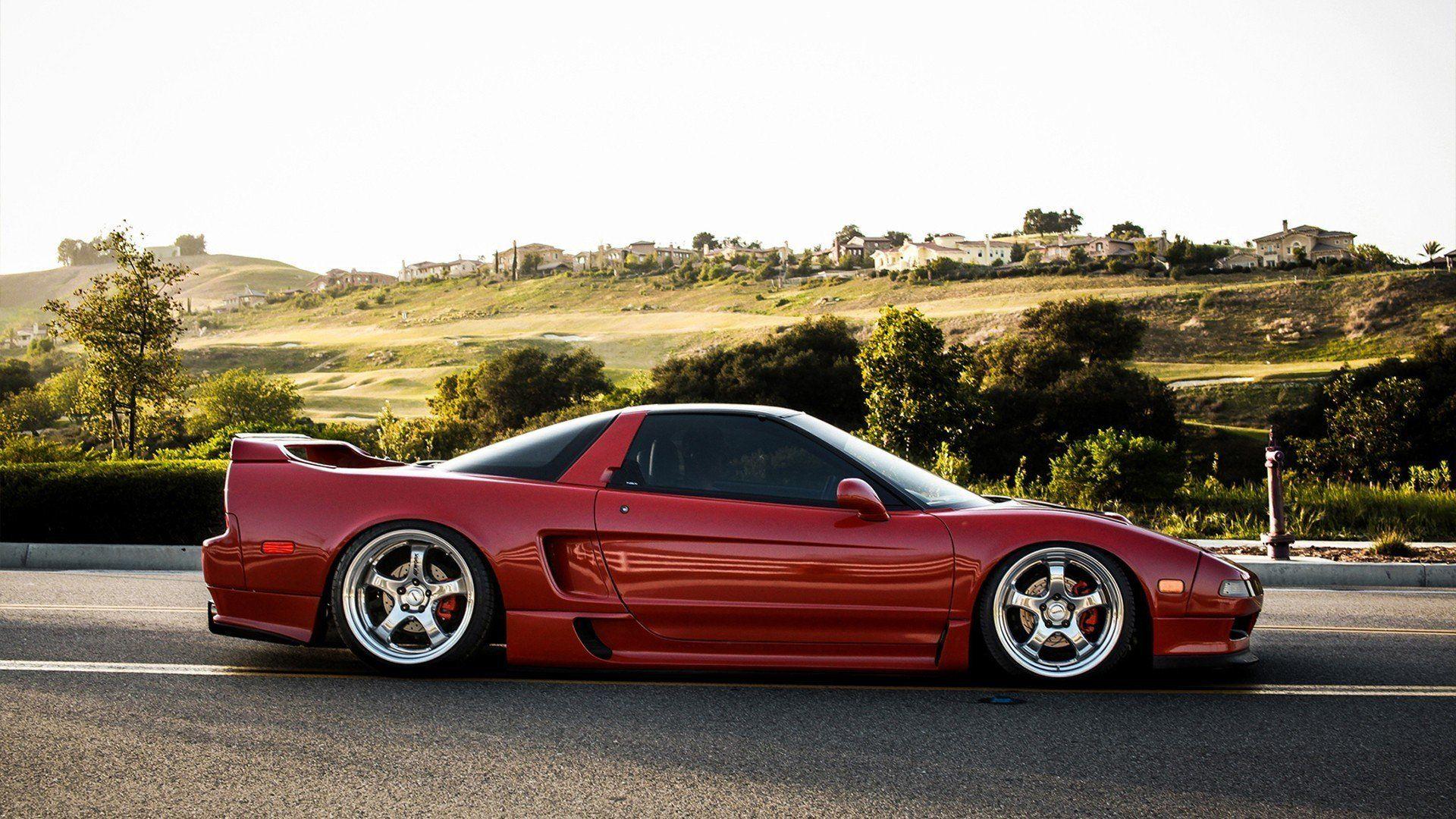
If you're passionate about performance cars, you've probably heard the term "JDM" countless times. From legendary Nissan Skylines and Toyota Supras to Mazda RX-7s and Honda NSXs, JDM vehicles have become icons among automotive enthusiasts worldwide.
But what exactly is a JDM car? Many people use the term incorrectly to describe any Japanese vehicle. In reality, JDM has a very specific meaning that goes beyond simply being manufactured in Japan.
In this guide, Euro Haus Autocare explains what JDM cars are, their history, key characteristics, and why they continue to influence car culture around the world.
What Does JDM Mean?
JDM stands for Japanese Domestic Market. The term refers to vehicles and automotive parts that were originally manufactured and sold specifically for the Japanese market.
A true JDM vehicle is designed to meet Japanese regulations, road conditions, and consumer preferences. These vehicles often differ from versions sold in North America, Europe, Australia, and the Middle East.
For example, a Nissan Skyline GT-R sold in Japan is considered a JDM vehicle, while a Nissan sold in another market may have different specifications, safety equipment, emissions systems, and performance characteristics.
The History of JDM Cars
Japan's automotive industry experienced rapid growth during the post-war decades of the 1950s and 1960s. Manufacturers such as Toyota, Nissan, Honda, Mazda, Mitsubishi, and Subaru focused on creating reliable and efficient vehicles tailored to domestic needs.
By the 1980s and 1990s, Japan entered what many enthusiasts consider the golden age of performance vehicles. During this era, manufacturers invested heavily in advanced engineering, turbocharging technology, electronic systems, and motorsport development.
This period produced some of the most celebrated performance cars ever built, including:
- Nissan Skyline GT-R
- Toyota Supra
- Mazda RX-7
- Honda NSX
- Mitsubishi Lancer Evolution
- Subaru Impreza WRX STI
- Nissan Silvia
- Toyota AE86
Many of these vehicles remain highly desirable among collectors and enthusiasts today.
Key Features of JDM Cars
1. Right-Hand Drive Configuration
One of the most recognizable characteristics of many JDM vehicles is their right-hand-drive layout. Since Japan drives on the left side of the road, most vehicles sold domestically are configured with the steering wheel on the right.
However, right-hand drive alone does not automatically make a vehicle JDM. The vehicle must have been built specifically for the Japanese market.
2. Unique Performance Specifications
Japanese-market models often received engines, transmissions, and performance packages unavailable in export versions.
Examples include:
- Nissan RB26DETT engine
- Toyota 2JZ-GTE engine
- Mazda 13B rotary engine
- Honda VTEC performance variants
These powerplants became famous for their reliability and tuning potential.
3. Advanced Engineering
Japanese manufacturers were pioneers in technologies such as:
- Twin-turbocharging systems
- Electronic all-wheel drive
- Variable valve timing
- Active suspension systems
- Advanced engine management
Many innovations developed for JDM vehicles later influenced the global automotive industry.
4. Exclusive Models and Trims
Numerous vehicles were never officially exported outside Japan, making them highly sought-after collectibles.
Examples include:
- Nissan Skyline GT-R R34
- Autozam AZ-1
- Toyota Century
- Nissan Silvia S15
- Mitsubishi Pajero Evolution
Their limited availability contributes significantly to their value and appeal.
The Famous 276-HP Gentlemen's Agreement
Throughout the 1990s, Japanese manufacturers voluntarily agreed to advertise performance vehicles with a maximum output of 276 horsepower (280 PS).
Despite this agreement, many vehicles were widely believed to produce significantly more power than their official ratings.
Examples include:
- Nissan Skyline GT-R
- Toyota Supra Twin Turbo
- Mitsubishi Lancer Evolution
- Subaru WRX STI
This era helped create the myth and mystique surrounding Japanese performance cars.
Why Are JDM Cars So Popular?
Automotive Culture
JDM culture extends far beyond the vehicles themselves. It represents a global community of enthusiasts who appreciate engineering, customization, and motorsport heritage.
Movies
The popularity of JDM cars exploded internationally through films such as:
- The Fast and the Furious
- 2 Fast 2 Furious
- Tokyo Drift
Vehicles like the Toyota Supra and Mazda RX-7 became cultural icons.
Anime and Manga
Series such as Initial D introduced millions of viewers to Japanese street racing culture and legendary vehicles like the Toyota AE86.
Video Games
Games including:
- Gran Turismo
- Need for Speed
- Forza Motorsport
allowed enthusiasts worldwide to experience iconic Japanese cars virtually long before they became available through imports.
Popular JDM Cars That Enthusiasts Love
Nissan Skyline GT-R R34
Often regarded as the ultimate JDM icon, the R34 combines advanced AWD technology, motorsport heritage, and the legendary RB26 engine.
Toyota Supra MK4
Powered by the renowned 2JZ-GTE engine, the Supra remains one of the most tunable performance cars ever produced.
Mazda RX-7 FD
Known for its lightweight chassis and rotary engine, the RX-7 delivers a unique driving experience unmatched by conventional sports cars.
Honda NSX
The NSX combined exotic-car performance with Honda reliability, earning praise from enthusiasts and professional drivers alike.
Nissan Silvia S15
A favorite among drifting enthusiasts, the S15 offers balanced handling and significant tuning potential.
JDM Cars and Import Regulations
Many enthusiasts outside Japan import JDM vehicles to enjoy rare models unavailable in their local markets.
In the United States, vehicles typically become exempt from federal safety compliance requirements after reaching 25 years of age. Emissions exemptions generally apply after 21 years, depending on regulations and vehicle condition.
As a result, many classic Japanese performance cars have become increasingly accessible to collectors and enthusiasts.
Maintaining a JDM Vehicle
Owning a JDM vehicle requires specialized knowledge and maintenance expertise.
Important maintenance areas include:
- Engine diagnostics
- Turbocharger servicing
- Cooling system maintenance
- Suspension repairs
- Electrical troubleshooting
- Performance tuning
- Brake system servicing
Finding experienced technicians familiar with Japanese performance vehicles is essential for preserving reliability and performance.
JDM Vehicle Service in Dubai
Dubai has one of the Middle East's most vibrant enthusiast communities, with many owners importing and maintaining iconic Japanese vehicles.
Whether you own a Nissan GT-R, Toyota Supra, Subaru WRX STI, Mitsubishi Evolution, Honda NSX, or Mazda RX-7, regular maintenance is critical to protect your investment.
At Euro Haus Autocare, our certified technicians provide professional diagnostics, maintenance, repair, and performance-related services for a wide range of luxury and performance vehicles, ensuring they perform reliably in Dubai's demanding climate.
Conclusion
JDM vehicles represent far more than transportation. They symbolize Japanese engineering excellence, motorsport heritage, innovation, and a global community of passionate enthusiasts.
From the Nissan Skyline GT-R and Toyota Supra to the Mazda RX-7 and Honda NSX, these vehicles continue to influence automotive culture decades after their introduction.
As more classic Japanese performance cars become collectible and increasingly sought after, the legacy of JDM culture remains stronger than ever.
Frequently Asked Questions
What does JDM stand for?
JDM stands for Japanese Domestic Market and refers to vehicles designed and sold specifically for Japan.
Is every Japanese car considered JDM?
No. Only vehicles built for the Japanese domestic market are considered true JDM vehicles.
Why are JDM cars popular?
Their performance, reliability, engineering innovation, tuning potential, and cultural influence have made them highly desirable worldwide.
Are JDM cars legal in Dubai?
Yes, provided they comply with UAE import and registration requirements.
Which JDM car is the most iconic?
Many enthusiasts consider the Nissan Skyline GT-R R34, Toyota Supra MK4, Mazda RX-7 FD, and Honda NSX among the most iconic JDM vehicles ever produced.