How to Make Your Car Last 300,000 km
Many modern vehicles can reach 300,000 km (186,000 miles) or more when they receive regular maintenance and are driven responsibly. While no car lasts forever, following a consistent maintenance schedule can significantly reduce wear, prevent major failures, and lower long-term ownership costs.
This guide explains the most important maintenance practices that help extend your car's lifespan.
Quick Answer
If you want your car to last 300,000 km, follow these essential practices:
- Change engine oil on schedule.
- Replace all fluids at recommended intervals.
- Maintain the cooling system.
- Rotate and inflate tires correctly.
- Service brakes before excessive wear.
- Replace filters regularly.
- Fix warning lights immediately.
- Drive smoothly.
- Use quality replacement parts.
- Follow the manufacturer's maintenance schedule.
Consistent preventive maintenance is the single biggest factor in achieving high vehicle mileage.
1. Change Engine Oil Regularly
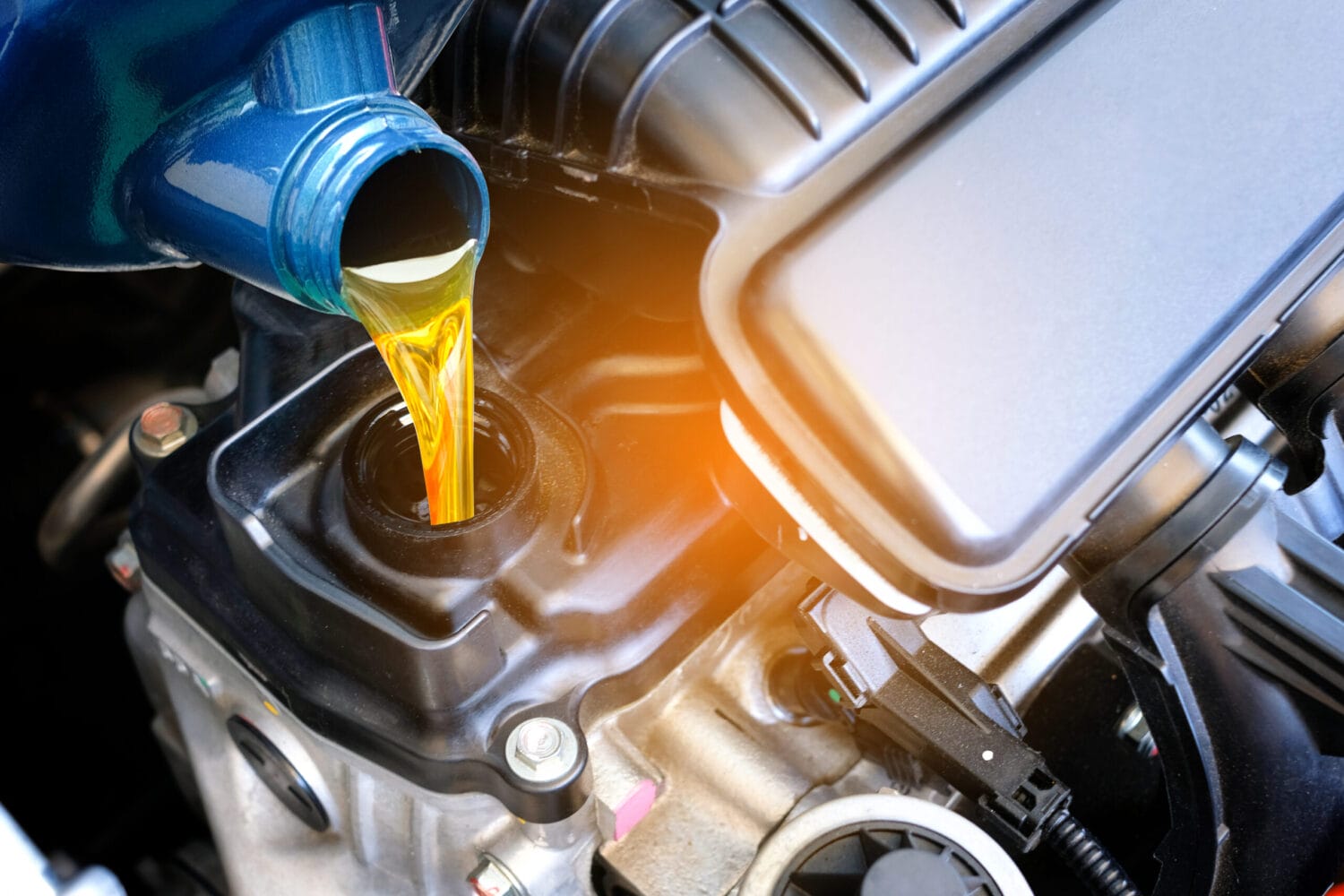
Engine oil lubricates internal components, reduces friction, and removes contaminants. Skipping oil changes accelerates engine wear.
Best Practices
- Use the oil grade specified by the manufacturer.
- Replace the oil filter with every oil change.
- Check oil level once a month.
- Shorten oil change intervals if you drive in heavy traffic, tow loads, or operate in extremely hot climates.
2. Never Ignore the Cooling System
Engine overheating can cause severe damage, including warped cylinder heads and blown head gaskets.
Inspect regularly:
- Coolant level
- Radiator hoses
- Water pump
- Thermostat
- Cooling fan
- Radiator
Replace coolant according to the manufacturer's schedule.
3. Service Your Transmission
The transmission is one of the most expensive components to repair.
To maximize transmission life:
- Replace transmission fluid at recommended intervals.
- Avoid aggressive acceleration.
- Allow the vehicle to warm up before hard driving.
- Stop completely before shifting between Drive and Reverse.
4. Replace Air Filters
Clean filters improve airflow, engine efficiency, and fuel economy.
Typical replacement intervals:
- Engine air filter: every 20,000–40,000 km
- Cabin air filter: every 15,000–25,000 km
Dusty environments may require more frequent replacement.
5. Maintain Your Tires
Proper tire maintenance protects the suspension, improves fuel efficiency, and increases safety.
Tire Checklist
- Check tire pressure monthly.
- Rotate tires every 8,000–10,000 km.
- Balance wheels when necessary.
- Perform wheel alignment if uneven wear develops.
6. Replace Brake Components Before They Wear Out
Brake pads are inexpensive compared to damaged rotors or calipers.
Inspect:
- Brake pads
- Rotors
- Brake fluid
- Brake hoses
Address brake noise or vibration promptly.
7. Don't Ignore Dashboard Warning Lights
Modern vehicles monitor hundreds of systems.
If a warning light appears:
- Scan for diagnostic codes.
- Repair problems early.
- Avoid delaying maintenance.
Small issues often become expensive repairs if ignored.
8. Drive Smoothly
Driving habits greatly affect vehicle longevity.
Avoid:
- Rapid acceleration
- Hard braking
- Excessive speeding
- Heavy overloading
- Repeated short trips with a cold engine
Gentle driving reduces wear on nearly every major component.
9. Replace All Fluids on Schedule
Every fluid eventually breaks down.
Essential fluids include:
- Engine oil
- Transmission fluid
- Coolant
- Brake fluid
- Power steering fluid (if equipped)
- Differential oil
- Transfer case fluid (4WD/AWD)
Fresh fluids extend component life.
10. Protect the Battery
Extreme heat and cold shorten battery life.
Inspect:
- Battery terminals
- Charging voltage
- Battery age
- Cable connections
Replace aging batteries before they fail.
11. Wash Your Car Regularly
Keeping your vehicle clean helps prevent rust and corrosion.
Wash:
- Exterior
- Undercarriage
- Wheel wells
Apply wax or paint protection every few months.
12. Follow Your Maintenance Schedule
Manufacturers design service schedules to maximize reliability.
Common scheduled services include:
- Spark plugs
- Drive belts
- Timing belt (if equipped)
- Coolant replacement
- Brake fluid replacement
- Suspension inspection
Skipping scheduled maintenance increases the risk of major failures.
13. Use High-Quality Replacement Parts
Cheap components often fail sooner and may damage surrounding parts.
Choose:
- OEM parts
- Manufacturer-approved fluids
- Reputable aftermarket brands
Quality parts reduce long-term repair costs.
14. Repair Small Problems Early
Pay attention to:
- Fluid leaks
- Engine noises
- Vibrations
- Burning smells
- Rough idling
- Reduced fuel economy
Early diagnosis is almost always less expensive than major repairs.
Recommended Maintenance Schedule
| Mileage | Recommended Service |
|---|---|
| Monthly | Check oil, coolant, lights, and tire pressure |
| Every 8,000–10,000 km | Tire rotation and brake inspection |
| Every 10,000–15,000 km | Engine oil and oil filter |
| Every 30,000 km | Air filters and suspension inspection |
| Every 60,000 km | Spark plugs (if applicable) and transmission service |
| Every 100,000 km | Coolant replacement and belt inspection |
| Every 150,000 km+ | Full drivetrain and suspension inspection |
Frequently Asked Questions
Can a car really last 300,000 km?
Yes. Many vehicles exceed 300,000 km when owners follow the recommended maintenance schedule, change fluids regularly, and repair minor issues before they become major problems.
What is the most important maintenance task?
Regular engine oil changes are generally considered the single most important maintenance task because clean oil reduces engine wear and helps prevent costly failures.
Which cars commonly reach 300,000 km?
Many well-maintained vehicles from brands such as Toyota, Honda, Lexus, Subaru, Mazda, and some Ford, Chevrolet, and Hyundai models have been known to exceed 300,000 km. Longevity depends more on maintenance than brand alone.
How often should I service my car?
Most vehicles require basic maintenance every 10,000–15,000 km or as specified in the owner's manual. Severe driving conditions may require more frequent service.
Final Thoughts
Making your car last 300,000 km isn't about luck—it's about consistency. Regular oil changes, timely fluid replacements, proper tire care, smooth driving habits, and prompt repairs can dramatically extend your vehicle's lifespan. Following your manufacturer's maintenance schedule and using quality replacement parts will help you avoid costly breakdowns and keep your car reliable for many years.