Introduction
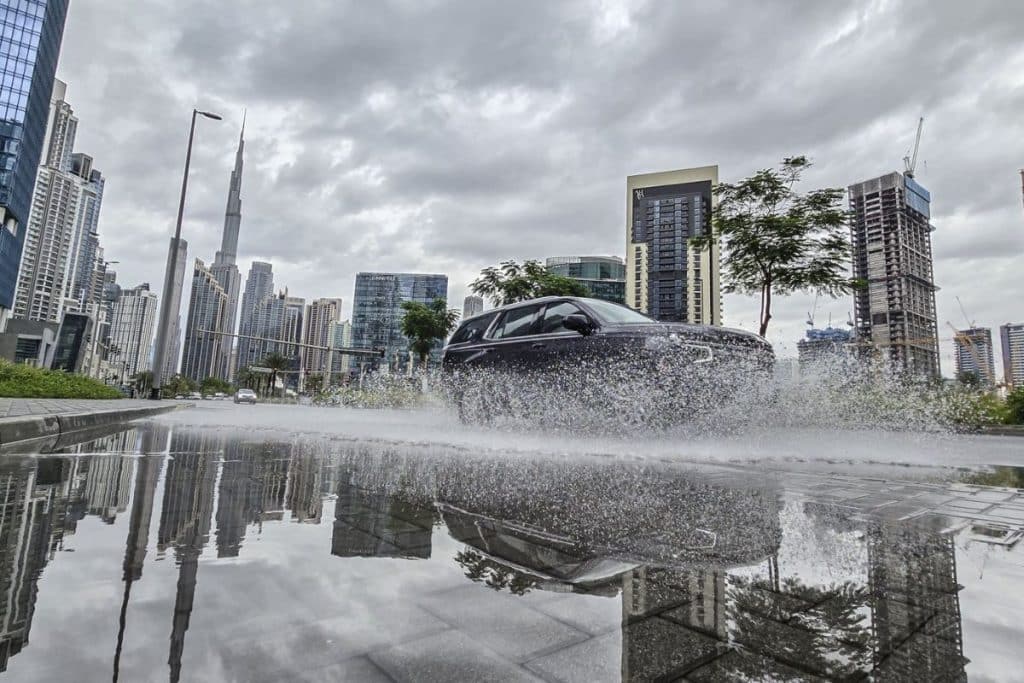
Rain in the UAE is rare, but when it arrives, it transforms driving conditions dramatically. Roads become slippery, visibility drops, and water accumulation can quickly turn a normal drive into a risky situation. Many drivers in Dubai and across the UAE are not used to wet-weather driving, which increases the chances of accidents and vehicle damage.
This guide provides practical tips to help you drive safely in UAE rain, protect your car, and avoid costly mistakes.
Why Driving in UAE Rain Is Challenging
Unlike countries with frequent rainfall, UAE roads are not regularly exposed to water. This leads to:
- Oil and dust buildup on roads, making surfaces extremely slippery when wet
- Sudden water accumulation due to limited drainage usage
- Reduced tire grip and longer braking distances
- Low visibility from heavy rain and windshield blur
Even light rain can create hazardous driving conditions within minutes.
Before You Start Driving in Rain
1. Check Your Vehicle Condition
Before heading out, ensure your car is ready:
- Tires have good tread depth for grip
- Brakes are responsive
- Windshield wipers are working properly
- Headlights and fog lights are functional
- Windshield washer fluid is full
2. Plan Your Route
Avoid areas known for flooding such as:
- Underpasses
- Basement parking exits
- Low-lying service roads
- Construction zones
3. Avoid Driving if Possible
If rain becomes heavy or visibility drops significantly, it is safer to delay your trip.
Tips When Driving in Rain
1. Reduce Speed
Driving fast on wet roads increases the risk of skidding.
- Reduce speed by 10–20 km/h in light rain
- Drive significantly slower in heavy rain
2. Increase Following Distance
Maintain a safe gap:
- Keep at least 5–6 seconds distance from the vehicle ahead
- This gives enough time to react and brake safely
3. Avoid Sudden Movements
- Do not brake abruptly
- Avoid sharp turns or lane changes
- Accelerate gently
Smooth driving prevents loss of control.
4. Use Headlights Properly
- Turn on headlights even during the day
- Use hazard lights only in extremely low visibility
5. Stay Away from Large Vehicles
Trucks and buses create water splashes that:
- Reduce your visibility
- Push water into your engine bay and underbody
6. Avoid Standing Water

- Never drive through water if depth is unknown
- Even shallow water can damage electronics
- Floodwater may hide potholes or debris
What to Do If Your Car Starts Hydroplaning
Hydroplaning happens when tires lose contact with the road due to water.
If it happens:
- Stay calm
- Take your foot off the accelerator
- Do NOT brake suddenly
- Steer gently in the direction you want to go
Control returns once tires regain grip.
After Driving in Rain
1. Inspect Your Car
Check for:
- Wet carpets or interior dampness
- Warning lights on dashboard
- Delayed engine start
2. Let the Car Dry
- Park in a ventilated area
- Avoid using excessive heat on electronics
3. Act on Warning Signs
Do not ignore:
- Electrical malfunctions
- Key or immobilizer issues
- Strange noises or braking changes
Early inspection can prevent major repairs.
Common Mistakes to Avoid
- Driving fast on wet roads
- Ignoring standing water
- Following vehicles too closely
- Using worn-out tires
- Panic braking during skids
- Ignoring small warning signs
Final Thoughts
Driving in UAE rain requires a shift in mindset. Slowing down, staying alert, and avoiding unnecessary risks can make a huge difference. While rain may be temporary, the damage caused by careless driving can be long-lasting.
Preparation, patience, and awareness are the keys to staying safe on wet UAE roads. Whether it’s a light drizzle or a heavy downpour, responsible driving protects not only your vehicle but everyone on the road.
Frequently Asked Questions
Q: Is it safe to drive during heavy rain in UAE?
A: It can be safe if you reduce speed, maintain distance, and avoid flooded areas. However, in extreme conditions, it is better to avoid driving.
Q: What is the biggest danger when driving in UAE rain?
A: Slippery roads and sudden water accumulation leading to loss of control or hydroplaning.
Q: How can I improve visibility while driving in rain?
A: Use headlights, maintain wipers, and keep your windshield clean.
Q: Can rain damage my car?
A: Yes, especially if you drive through standing water, which can affect electrical systems and underbody components.
Q: When should I stop driving in rain?
A: If visibility becomes too low, roads are flooded, or your car starts behaving abnormally, it’s best to pull over safely and wait.